๐ ๏ธ
THE FIRST-CAR SAFETY BASELINE
Know where the answer is stored
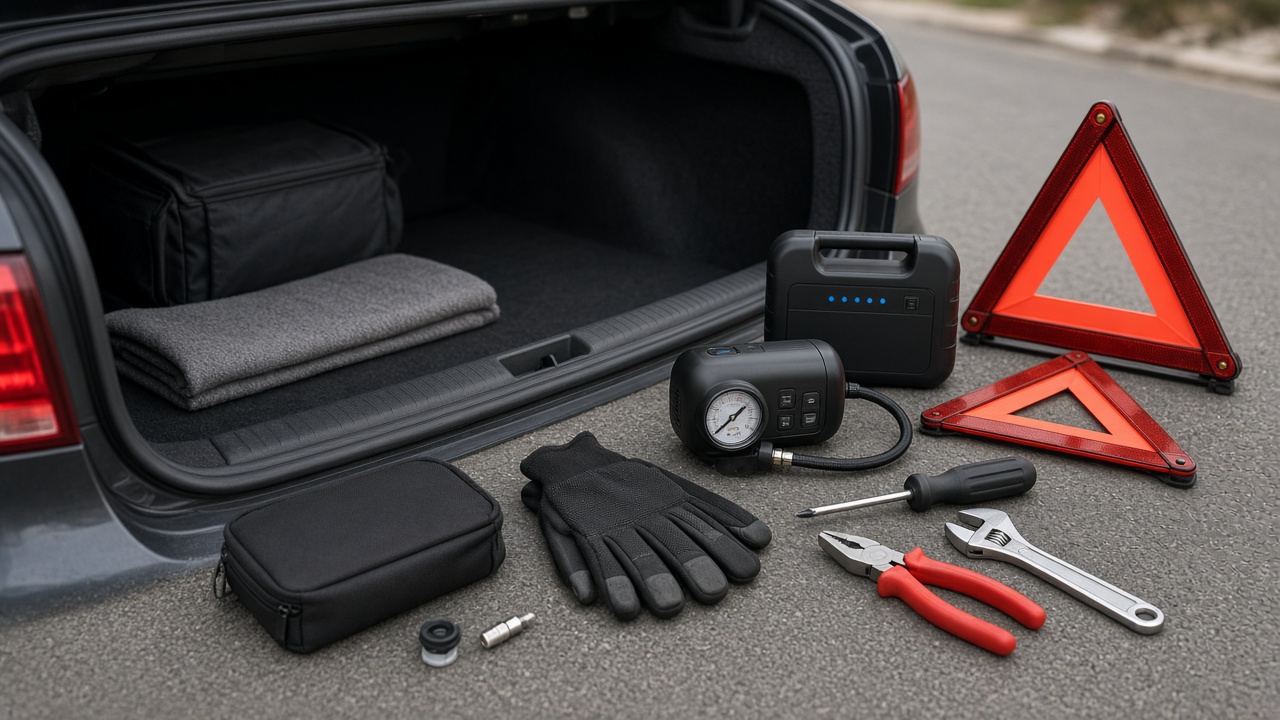
A roadside kit earns its space when a new driver can find the light, warning marker, cables, and instructions without emptying the trunk.
DriverNew ownerUseRoadside basicsPriorityReadiness
How we built this setup
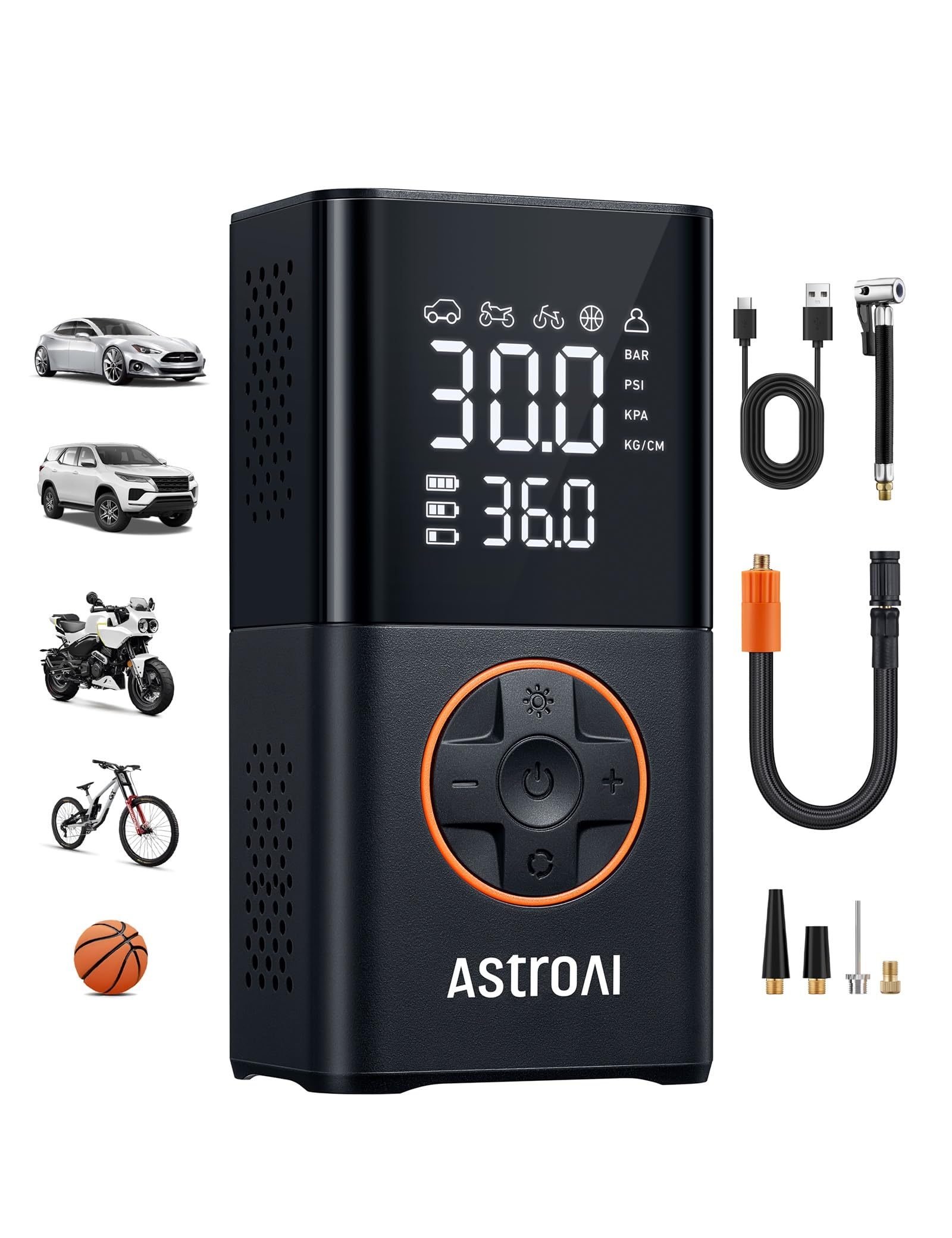
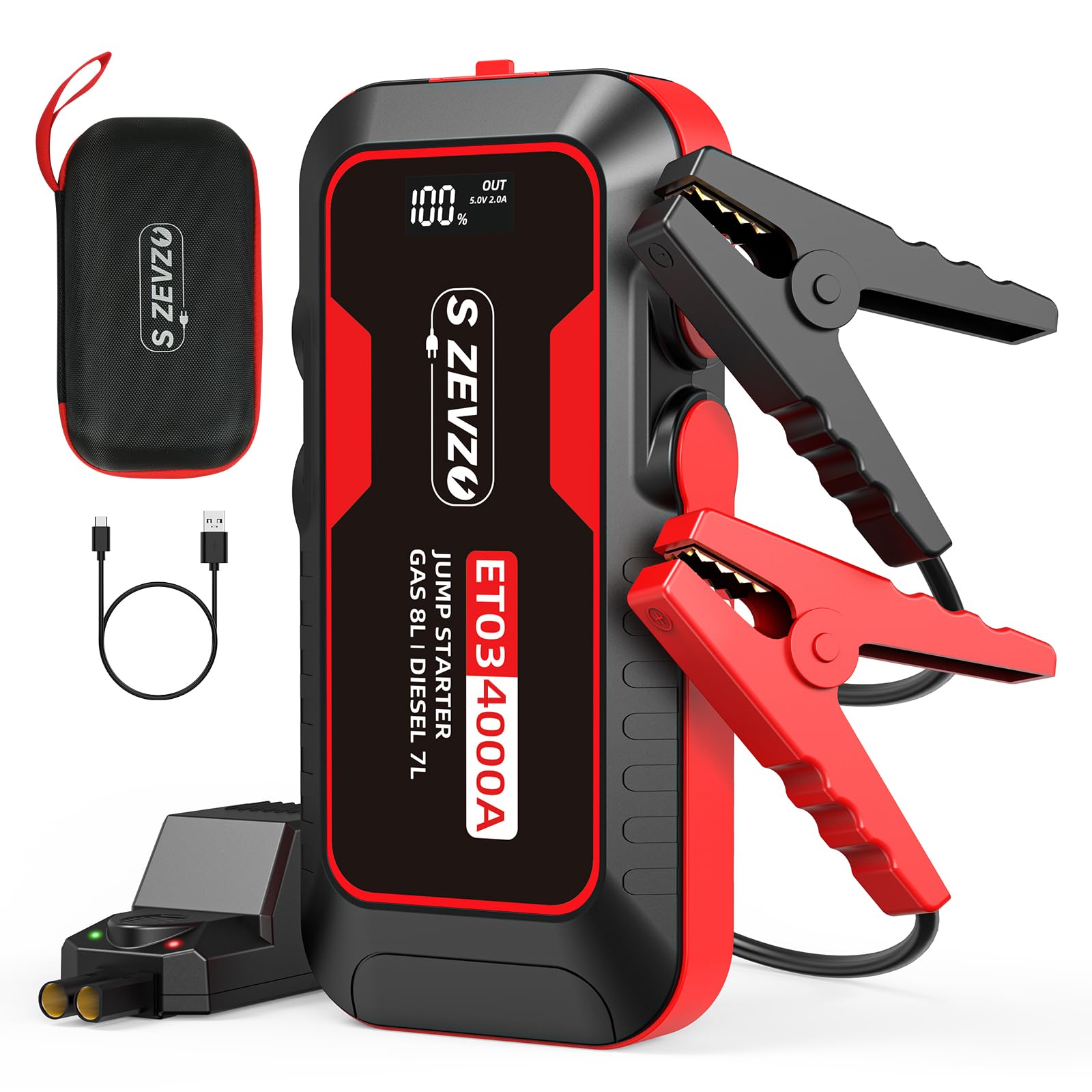
Start with the problems that can stop a car from moving. A portable jump starter is useful when the battery is weak and another vehicle is not available, while a tire inflator addresses low pressure when the tire is still safe to inspect and inflate. Learn the vehicle's recommended tire pressure and read each device's instructions before an emergency.
Visibility matters when a car is stopped. A reflective warning triangle and a bright flashlight help other drivers notice the vehicle and help you see the work area. A basic tool kit and jumper cables are backup resources, not substitutes for roadside assistance or a diagnosis of a serious mechanical problem.
Keep the kit together, charged, and reachable without unloading the trunk. Verify battery maintenance, voltage compatibility, tool contents, local roadside requirements, and the current listing details before use.
Setup facts
- Best for
- New drivers and everyday roadside readiness
- Core jobs
- Start, inflate, signal, illuminate, and call for help
- Storage rule
- Keep the kit charged, labeled, and reachable
Emergency-kit checks:
โข Charge and test the jump starter and flashlight before storing them.
โข Learn the correct tire pressure from the vehicle information, not a guess.
โข Place the warning triangle only where local guidance allows and where it can be seen safely.
โข Keep first aid, cables, and tools together in a labeled trunk container.