How we built this setup
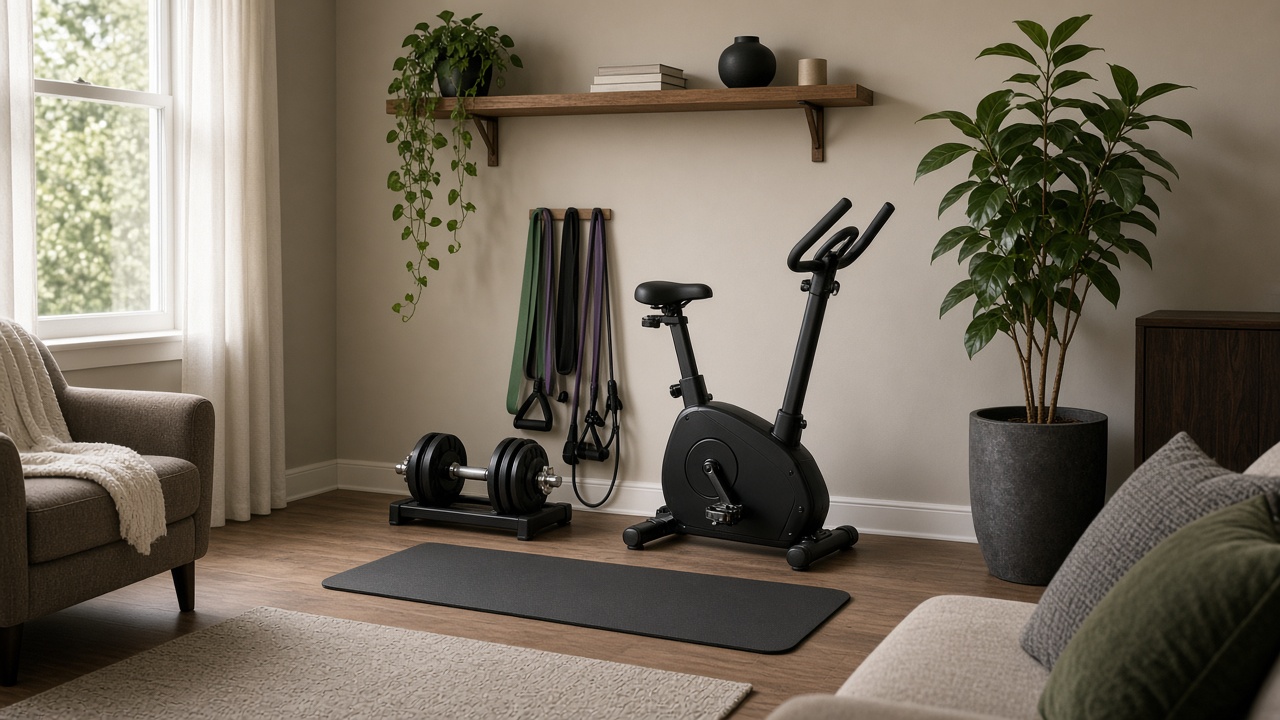
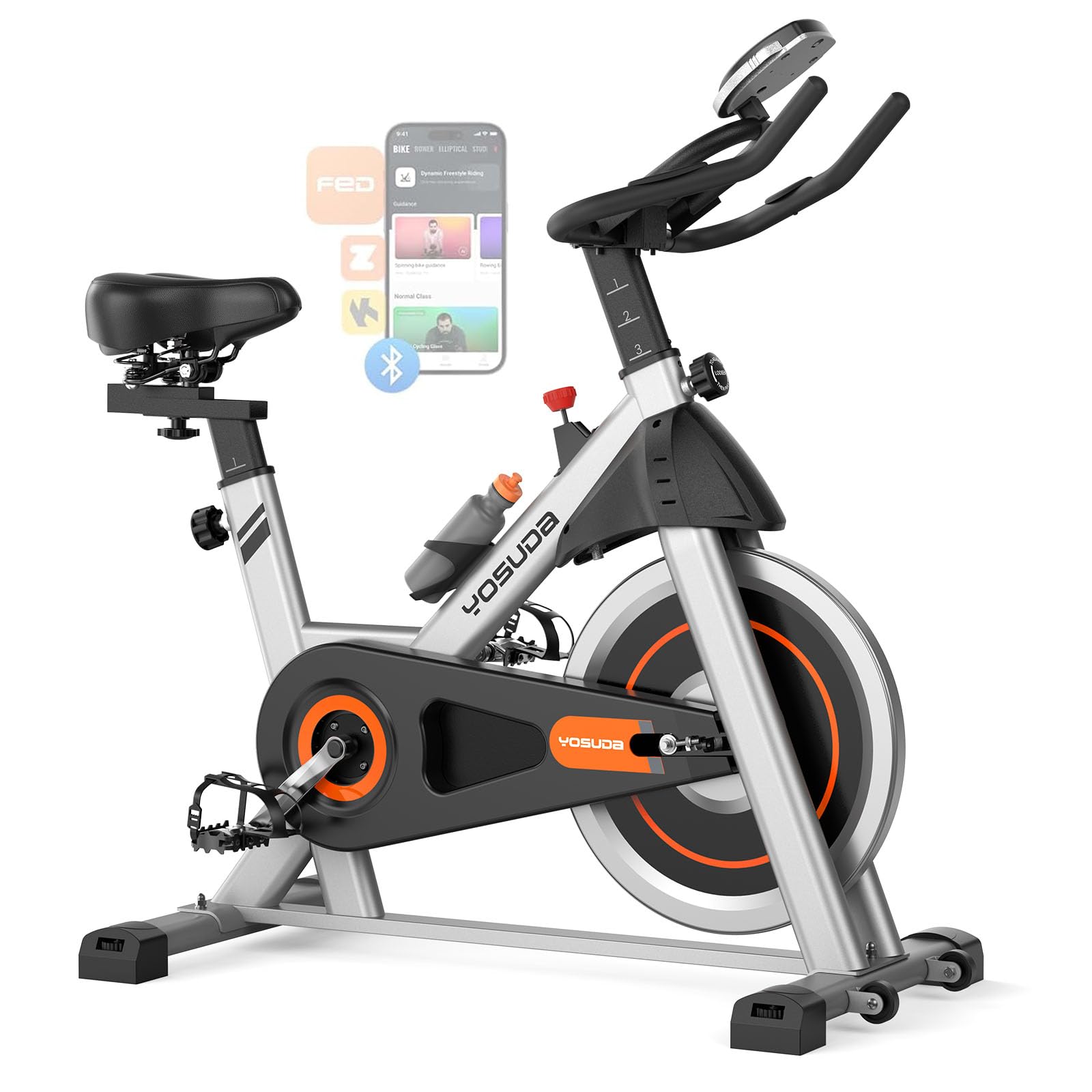
Choose the movement anchor around how you will actually train. A foldable exercise bike suits seated cardio and can be stored between sessions, while a walking pad suits people who want low-profile walking near a desk or open floor. Measure the active workout area, not just the folded storage space, and leave a clear path around moving equipment.
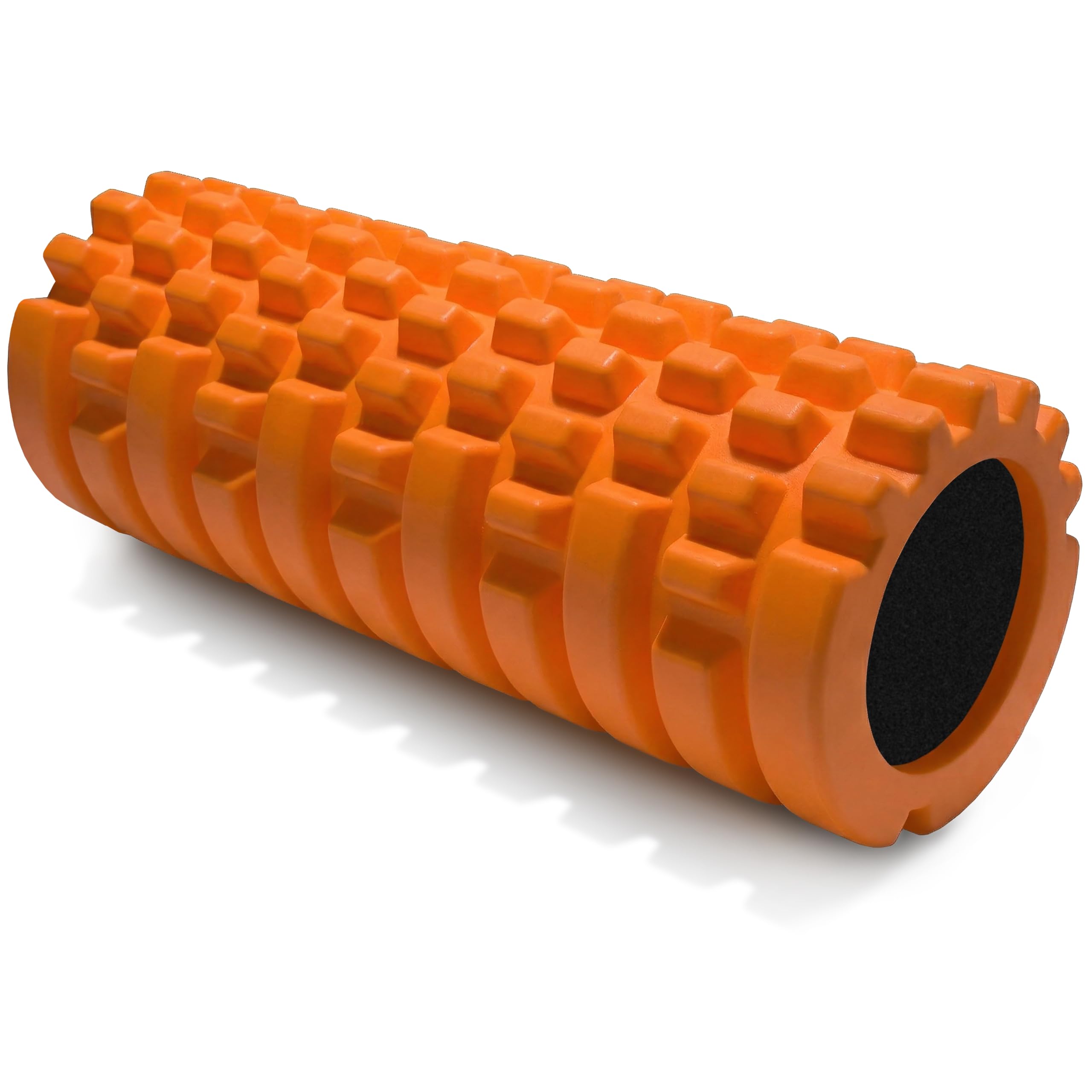
Adjustable dumbbells or resistance bands add strength work without a full rack. A thick non-slip exercise mat defines the floor zone, and a foam roller supports warm-up or recovery after training. Keep weight and band storage stable so the equipment is not scattered across the room.
A doorway pull-up bar and entry-level massage gun are optional and should match your doorway, body, and usage needs. Confirm load guidance, clearance, storage, and safe exercise technique rather than treating product marketing as a training plan.
Home-gym checks:
• Measure workout clearance around the equipment, not only its folded footprint.
• Put the mat on a stable surface and keep the exit path open.
• Choose resistance you can control with good form, not the heaviest label.
• Store weights and bands where they cannot roll or become a trip hazard.

 2
 3
 4
 7
 5
 6
 1Must-buyView on Amazon ↗